Exotic Feeders
Grape Ivy & Oak Leaf Ivy (Cissus rhombifolia) Wholesale
Grape Ivy & Oak Leaf Ivy (Cissus rhombifolia)
Wholesale only. Pricing is available to approved retailers, distributors and breeders.
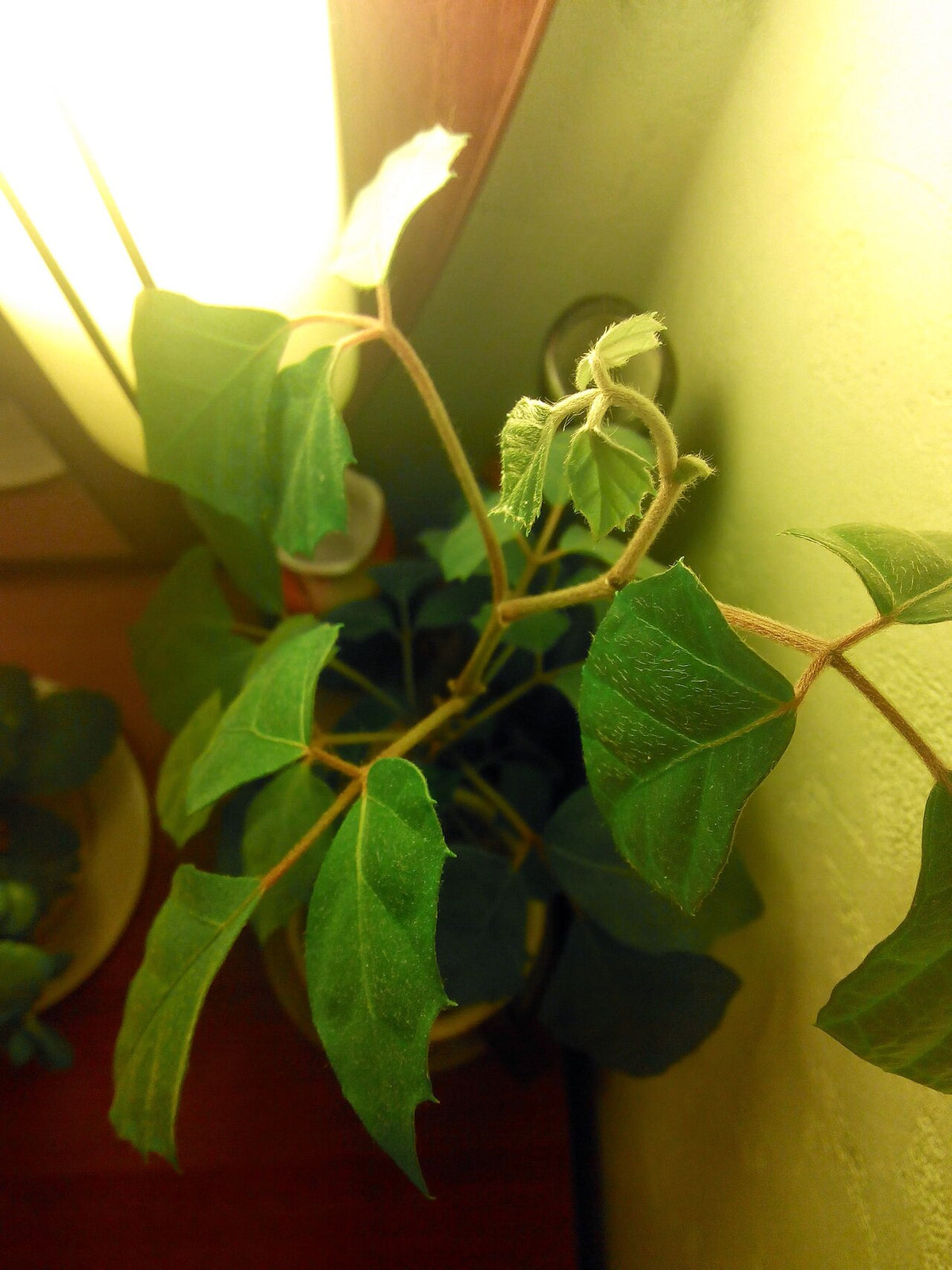
Glossy, three-part leaves on climbing, tendrilled vines. Oak Leaf Ivy (Ellen Danica) has deeper-lobed leaves. Both are excellent, tough trailing plants.
Wholesale only · $400 minimum plant order
Seasonal availability · priced upon request
Our tropical plants are sold to registered retailers and businesses only, and the minimum order for plants is $400. Apply for a wholesale account or log in to order.
At a glance
| Botanical name | Cissus rhombifolia |
|---|---|
| Varieties | Grape Ivy, Oak Leaf Ivy (Ellen Danica) |
| Availability | Seasonal · priced upon request |
| Light | Medium to bright indirect light. |
| Water | Water when the top 2–3 cm dries. |
| Humidity | Average humidity is fine. |
| Temperature | 16–27°C (60–80°F). Keep above 10°C (50°F). |
| Size | Vines trail or climb 1.5–3 m. |
| Best substrate | ABG Terrarium Mix, with cork bark to climb |
| Pet & reptile safety | Non-toxic |
Best substrate or mount
Our pick: ABG Terrarium Mix, with cork bark to climb. Grow it in ABG Terrarium Mix and give the tendrils cork branches or wood to grab onto.
In a terrarium or vivarium
Good climbing plant for large open-top and semi-humid enclosures, and it is non-toxic.
Pet and reptile safety
Grape ivy (Cissus rhombifolia) is listed as non-toxic to cats and dogs, so it is a better choice than English ivy for mixed displays. See our guide to toxic plants for reptiles.
Care guide
Light, watering, humidity, common problems and propagation are covered in full in our Grape Ivy & Oak Leaf Ivy care guide.
Photo: Alex Khimich (CC0), via Wikimedia Commons.
Share